
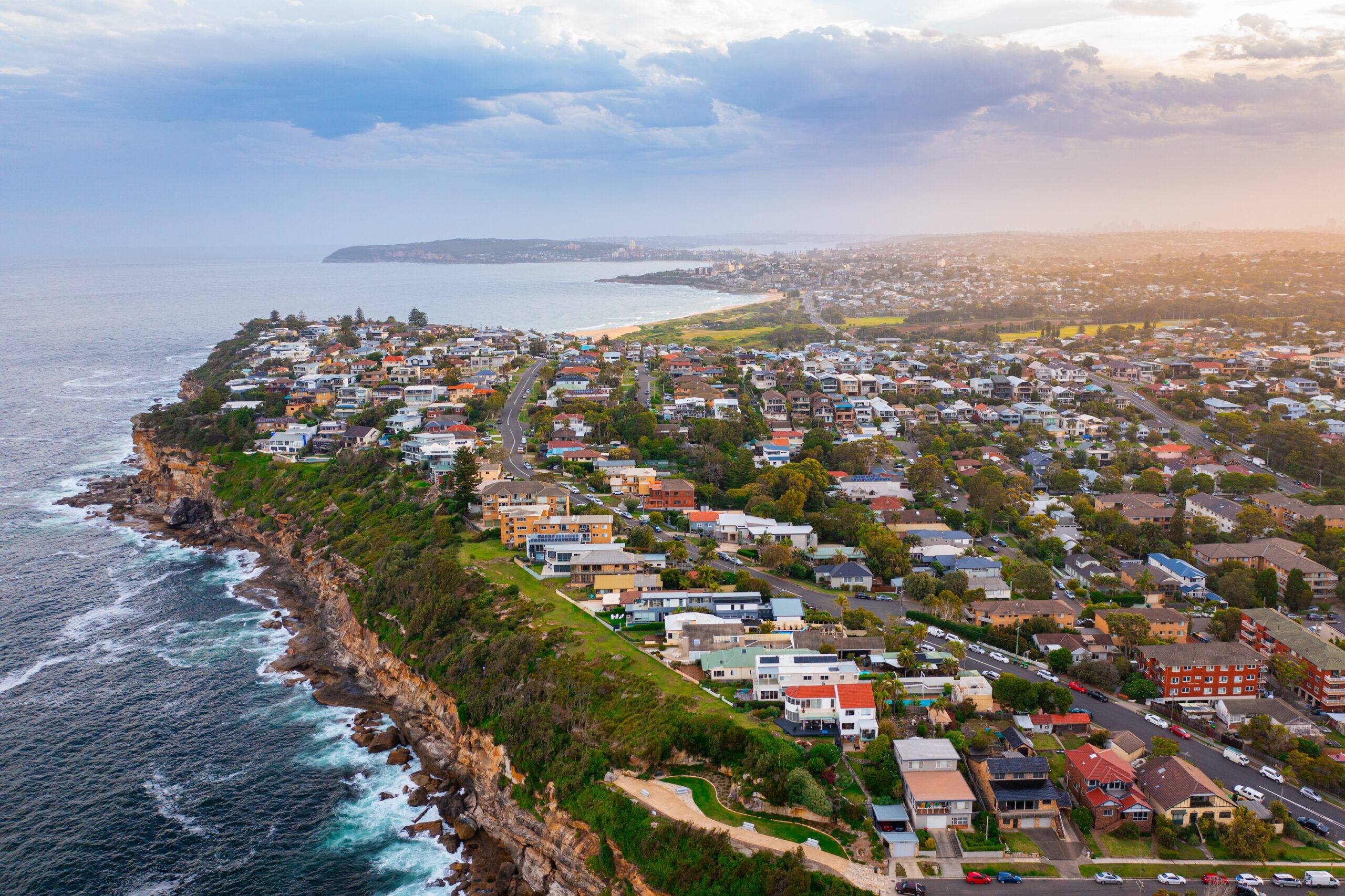
The Cities Where House Prices Rose Six Times Faster Than Inflation, Fueling Australian Wealth
New analysis from a leading property portal has shed light on a profound economic phenomenon reshaping Australia’s financial landscape: the extraordinary divergence between house price growth and inflation. The data reveals that in numerous Australian cities, residential property values have surged at a rate six times faster than the Consumer Price Index (CPI) over the past decade, underscoring the significant role real estate plays in accumulating wealth for many Australians.
This substantial outperformance of property against general cost-of-living increases highlights a critical driver of household wealth, particularly for those who entered the market prior to the most rapid phases of appreciation. While inflation steadily eroded the purchasing power of wages and savings, the value of bricks and mortar soared, creating a substantial wealth gap between homeowners and those aspiring to enter the market.
The Unprecedented Discrepancy
The findings indicate a stark contrast in growth trajectories. Over the last ten years, cumulative inflation in Australia has hovered around the 25-30% mark. In stark comparison, median house prices in several capital cities have skyrocketed by 150-180% or even more in specific pockets. This translates directly to the “six times faster” claim, demonstrating an unparalleled period of wealth accumulation through property ownership.
Capital Cities Leading the Surge
While the trend is widespread, certain urban centres have been at the forefront of this property boom. Sydney, for instance, has repeatedly seen its median house price climb to unprecedented levels, with growth phases significantly outpacing national economic indicators. Melbourne has mirrored this trend, particularly in its inner and middle ring suburbs, where demand has consistently outstripped supply.
Beyond the two largest capitals, Brisbane, Adelaide, and Perth have also experienced remarkable periods of growth, albeit with varying timelines and intensity. Regional centres, particularly those benefiting from lifestyle migration and improved infrastructure, have also seen substantial gains, reflecting a broader national appetite for property investment and homeownership.
Key Drivers Behind the Property Boom
Several interconnected factors have contributed to this sustained and rapid ascent in house prices, creating an environment where property values could so dramatically outstrip inflation.
Historically Low Interest Rates
A primary catalyst has been the prolonged period of historically low interest rates. The Reserve Bank of Australia’s monetary policy, aimed at stimulating the broader economy, made borrowing significantly cheaper. This reduced the cost of mortgages, increasing buyers’ borrowing capacity and their willingness to pay more for properties.
Supply-Demand Imbalance
Persistent undersupply of new housing, particularly in well-located urban areas, has been a chronic issue. Coupled with strong population growth in the pre-pandemic era and sustained demand from both local and international buyers, the imbalance between available homes and prospective purchasers has exerted continuous upward pressure on prices.
The ‘Flight to Home’ During the Pandemic
The COVID-19 pandemic further exacerbated demand. With international travel restricted and more time spent at home, Australians re-evaluated their living spaces. A renewed focus on larger homes, outdoor areas, and the flexibility of remote work spurred demand in both metropolitan fringes and regional areas, adding another layer of upward pressure on prices.
Government Incentives and Economic Stability
Various government grants and concessions for first-home buyers, along with a generally stable economic environment (despite periodic downturns), have also bolstered confidence in the housing market, encouraging investment and owner-occupier purchases.
Impact on Australian Wealth and Affordability
The substantial appreciation in house prices has had a dual effect on Australian society. For existing homeowners, especially those who bought into the market years ago, it has been a significant source of wealth creation. Equity in homes has grown substantially, providing a financial buffer, enabling renovations, and facilitating intergenerational transfers of wealth.
However, this rapid growth has also intensified the affordability crisis for first-time buyers and those on lower incomes. The deposit hurdle has become increasingly formidable, pushing homeownership further out of reach for many. This creates a widening wealth gap, where those who own property benefit disproportionately, while those who don’t find themselves struggling to keep up with rising rents and the escalating cost of entry into the market.
Looking Ahead: Sustainability and Policy Challenges
Experts suggest that while the pace of growth seen over the last decade may not be sustainable indefinitely, the underlying factors contributing to the market’s resilience remain potent. Future trends will likely be influenced by interest rate movements, government housing policies, and patterns of migration.
The findings from realestate.com.au’s data underscore a crucial challenge for policymakers: how to manage a housing market that serves as a primary engine of wealth for many, while simultaneously addressing the critical issue of affordability for others. Balancing these competing interests will be key to fostering a more equitable and sustainable economic future for all Australians.
In conclusion, the revelation that house prices have surged at six times the rate of inflation in major Australian cities is more than just a statistic; it’s a testament to the profound and often unequal impact of property on national wealth. It highlights a decade of extraordinary gains for homeowners, while simultaneously drawing attention to the growing chasm faced by those striving to achieve the dream of homeownership in an increasingly expensive market.
Source: Read full article



Leave feedback about this