

Rate hold: Stability returns to property market, but for how long?
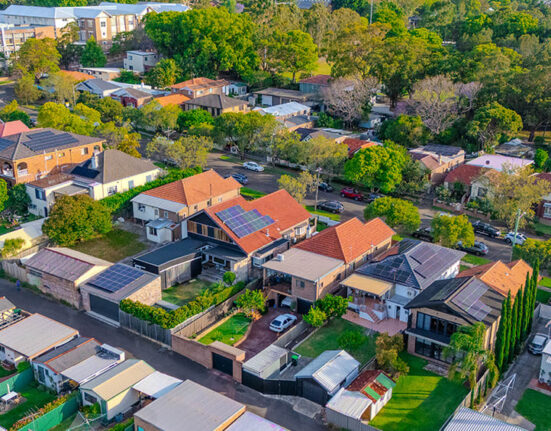
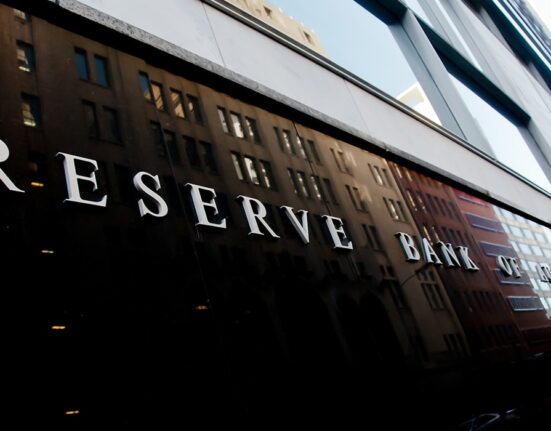
Australia’s property market is poised for a period of relative calm over the coming months, following the Reserve Bank of Australia’s (RBA) decision to maintain the official cash rate at 4.35% for the third consecutive meeting. This pause offers a much-needed reprieve for mortgage holders and injects a degree of predictability into a sector that has experienced significant volatility. While market sentiment remains somewhat subdued, experts anticipate that well-priced properties will continue to attract robust buyer interest, signaling a discerning yet active market.
The RBA’s move to keep rates on hold provides a critical breathing space for households grappling with elevated living costs and higher mortgage repayments. After a rapid succession of rate hikes designed to curb inflation, the current stability is expected to foster greater confidence among potential buyers and sellers. This sense of predictability is a stark contrast to the uncertainty that characterized the market throughout 2022 and early 2023, where prospective homeowners faced constantly shifting borrowing capacities and market valuations.
The Impact of Rate Stability
For many, the RBA’s decision removes the immediate threat of further increases to mortgage repayments, allowing households to better plan their finances. This stability is crucial for maintaining transaction volumes in the property market. Without the pressure of impending rate hikes, buyers may feel more confident in making long-term financial commitments, while sellers can set more realistic price expectations without fear of rapid market depreciation.
Economist Dr. Eleanor Vance from the Australian Economic Institute commented on the current climate, stating, “The RBA’s pause offers a crucial period of consolidation for the property market. It allows economic conditions to catch up with monetary policy tightening, giving both consumers and businesses a chance to adjust. This doesn’t mean a return to boom conditions, but rather a more measured and sustainable pace of activity.”
Buyer Behaviour and Property Pricing
Despite the broader market stability, the description highlights that “well-priced properties” will be the primary beneficiaries of buyer interest. This suggests a shift towards a more value-driven market, where buyers are more discerning and less prone to the ‘fear of missing out’ (FOMO) mentality that characterized previous boom periods. Properties that are accurately valued relative to their condition, location, and recent comparable sales are likely to perform strongly, attracting serious bidders.
Real estate agents across major capital cities report a clear divergence in market performance. Mr. David Chen, a veteran agent from Sydney’s inner west, observed, “We are seeing a two-speed market. Homes that are presented well, have clear advantages, and are priced realistically are still drawing multiple interested parties and achieving good results. However, properties that are overpriced or require significant work are sitting on the market for longer, indicating that buyers are now more cautious and budget-conscious.”
This trend underscores the importance of realistic seller expectations. In an environment of softer sentiment, buyers are less willing to overpay, particularly with the ongoing pressures of higher interest rates and cost of living. Sellers who adapt to current market conditions by pricing their properties competitively are more likely to achieve a timely and successful sale.
Underlying Market Sentiment and Future Outlook
While the immediate outlook points to stability, the phrase “softer market sentiment” is a crucial caveat. This indicates that despite the rate hold, underlying concerns persist among consumers. High inflation, wage growth that struggles to keep pace, and global economic uncertainties continue to weigh on confidence. Potential buyers may still be hesitant due to affordability challenges and the lingering memory of rapid rate increases.
The critical question remains: “for how long?” The current stability is largely contingent on the RBA’s future decisions, which in turn depend on evolving economic data, particularly inflation figures and employment statistics. Should inflation prove more persistent than anticipated, or if global economic conditions shift dramatically, the RBA may be compelled to reconsider its monetary policy stance.
Dr. Vance elaborated, “The longevity of this stable period hinges on a number of factors. A sustained decline in inflation towards the RBA’s target band would solidify the case for prolonged rate stability or even future cuts. Conversely, any significant upward pressure on prices could quickly unravel this current equilibrium, pushing the RBA to act again.”
Challenges and Opportunities Ahead
For prospective first-home buyers, the current plateauing of prices in some segments, coupled with stable interest rates, could present a window of opportunity, provided they have their finances in order and are pre-approved for a loan. Investors, too, might find opportunities in a less frenzied market, focusing on properties with strong rental yields and long-term capital growth potential.
However, challenges remain. Housing affordability is still a significant hurdle for many, exacerbated by tight rental markets and the ongoing cost-of-living crisis. Supply shortages in key areas also continue to underpin prices, preventing any significant widespread corrections. The interplay between these factors will dictate the true depth and duration of the market’s stability.
In conclusion, the RBA’s decision to hold interest rates steady has ushered in a period of anticipated stability for the Australian property market. This respite offers a clearer path for buyers and sellers, with well-priced properties expected to lead the charge. Yet, the underlying softness in sentiment and the ever-present influence of economic data mean that this stability, while welcome, must be viewed through a cautious lens. The immediate future appears calm, but the longer-term trajectory will undoubtedly be shaped by how Australia navigates its ongoing economic challenges.
Source: Read full article




Leave feedback about this