
Huge Inflation Hit to Melbourne House Prices | PropTrack – realestate.com.au
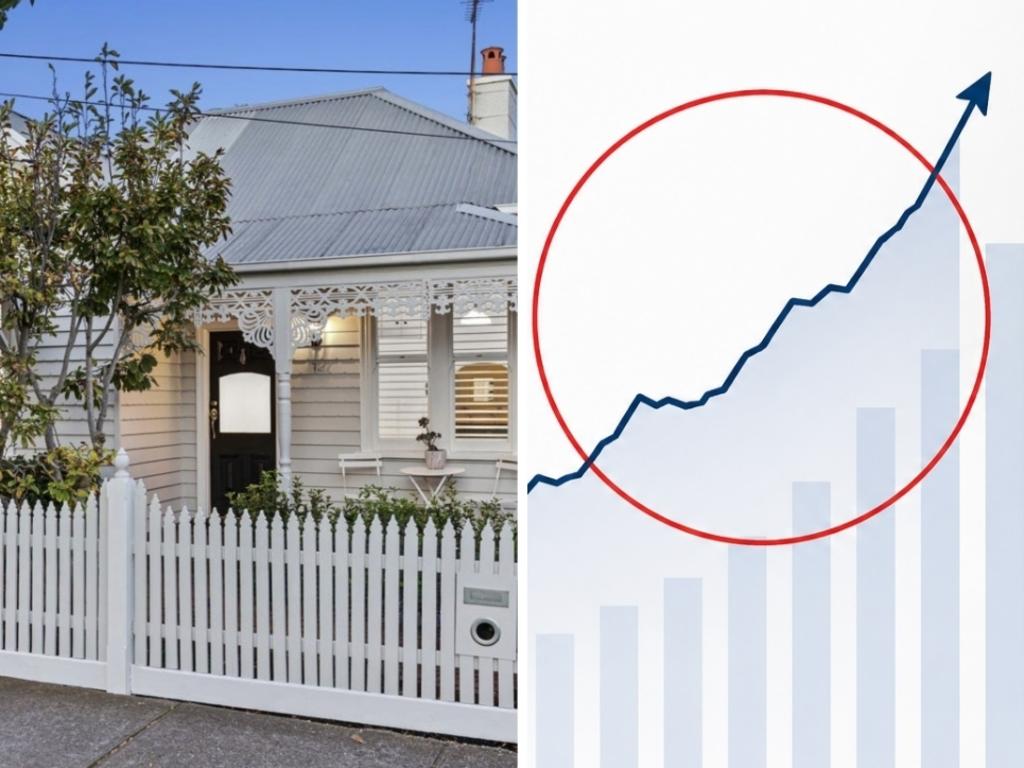
Melbourne home prices have soared to astonishing levels, now standing almost 22 times higher than they were in 1980. This staggering growth, while reflecting decades of economic expansion and population influx, is largely attributable to one fundamental factor that has now become a major impediment to the cherished Australian dream of homeownership, according to analysis from PropTrack via realestate.com.au.
The city’s housing market, once a symbol of accessible prosperity, has transformed into a formidable challenge for aspiring buyers. What propelled prices to such dizzying heights is now the very force making entry into the market increasingly difficult, pushing the dream of owning a home further out of reach for many Melburnians.
Decades of Unprecedented Growth and Affordability Erosion
The journey from 1980 to today has seen Melbourne’s property landscape undergo a dramatic metamorphosis. Four decades ago, the median house price was a fraction of what it is now, representing a relatively achievable goal for many working families. Over the ensuing years, a confluence of factors contributed to a sustained period of appreciation. Population growth, driven by both international migration and interstate movement, consistently outstripped new housing supply. Economic stability, low unemployment rates, and a strong investor appetite further fuelled demand, creating a seemingly unstoppable upward trajectory for property values.
However, beneath these broad trends lies a more specific and potent catalyst for the bulk of this growth: the evolving cost and availability of money. For much of the last few decades, particularly since the turn of the millennium, Australia has experienced a sustained period of declining interest rates. This environment of cheap credit made borrowing more accessible and affordable, allowing purchasers to leverage larger sums and bid up prices, effectively embedding the cost of borrowing into the fundamental valuation of properties.
The Dominant Factor: The Cost of Money
The “one thing” behind a huge part of Melbourne’s house price growth is unequivocally the trajectory of interest rates and the subsequent expansion of credit. Historically low interest rates, especially during the post-Global Financial Crisis era and the unprecedented period of monetary easing during the COVID-19 pandemic, acted as a powerful accelerant for the housing market. As the cost of borrowing money plummeted, potential buyers could service larger mortgages for the same monthly repayment, thus increasing their purchasing power and pushing property values higher.
This dynamic created a positive feedback loop: lower interest rates led to higher demand, which in turn drove up prices. Lenders, operating in a competitive landscape, were able to offer attractive rates, further incentivising borrowing. For existing homeowners, this meant significant equity growth, while for those looking to enter the market, it meant needing to borrow ever-larger sums, albeit at seemingly manageable interest rates. This era of cheap money fundamentally reshaped the affordability equation, making it possible for many to acquire properties that, on paper, appeared increasingly expensive.
The Shift: Rising Rates and the Crushing Blow to Homeownership
The tide has, however, dramatically turned. The period of ultra-low interest rates has concluded, giving way to an aggressive cycle of rate hikes by the Reserve Bank of Australia aimed at curbing persistent inflation. This sharp reversal has exposed the vulnerability inherent in a market so heavily reliant on cheap credit. The very mechanism that propelled prices upwards is now exerting immense downward pressure on affordability and borrowing capacity.
As interest rates climb, mortgage repayments surge, placing significant financial strain on existing homeowners and dramatically reducing the borrowing power of prospective buyers. A household that could once borrow a substantial sum at 2% interest now finds its capacity severely curtailed at 6% or 7%. This shift means that even if property prices were to stabilise or slightly decline, the effective cost of purchasing a home has skyrocketed due to the increased burden of debt servicing.
For first-home buyers, this constitutes a particularly harsh blow. Not only do they face the daunting task of saving a substantial deposit for a vastly inflated property, but they must also contend with significantly higher ongoing mortgage costs. The ‘home dream,’ once perhaps a distant but attainable goal, now feels increasingly like an illusion, as the financial hurdles have become almost insurmountable for many on average incomes. The current environment creates a generational divide, where those who entered the market during the low-interest rate era have benefited from substantial wealth accumulation, while newcomers face unprecedented barriers to entry.
Expert Insights and Future Outlook
Analysts at PropTrack and across the real estate sector are closely monitoring the evolving situation. While some predict a cooling of the market and potential modest price corrections in certain segments, the fundamental challenge of affordability, driven by the higher cost of borrowing, is expected to persist. The current monetary policy stance is designed to temper demand across the economy, and the housing market, being highly sensitive to interest rates, is at the forefront of this impact.
Government initiatives aimed at assisting first-home buyers, such as deposit schemes, often struggle to counteract the powerful macroeconomic forces at play. While helpful for a select few, they do little to address the systemic issue of borrowing capacity reduction and the underlying inflation in property values. The future of Melbourne’s housing market will likely be characterised by continued volatility and an ongoing struggle for affordability, particularly as interest rates remain elevated compared to the recent past.
Conclusion
Melbourne’s journey to having house prices nearly 22 times higher than in 1980 is a complex narrative, but the central character in this story is undeniably the cost and availability of money. The era of historically low interest rates acted as a potent stimulant, inflating property values to unprecedented levels. However, as monetary policy tightens in response to inflationary pressures, this very catalyst has transformed into the most significant obstacle for aspiring homeowners.
The dream of owning a home in Melbourne is now under immense pressure, with rising interest rates making mortgages more expensive and reducing borrowing power. The city’s housing market stands at a critical juncture, highlighting the profound and often challenging interplay between economic policy, financial markets, and the fundamental aspirations of its residents.
Source: Read full article



Leave feedback about this