
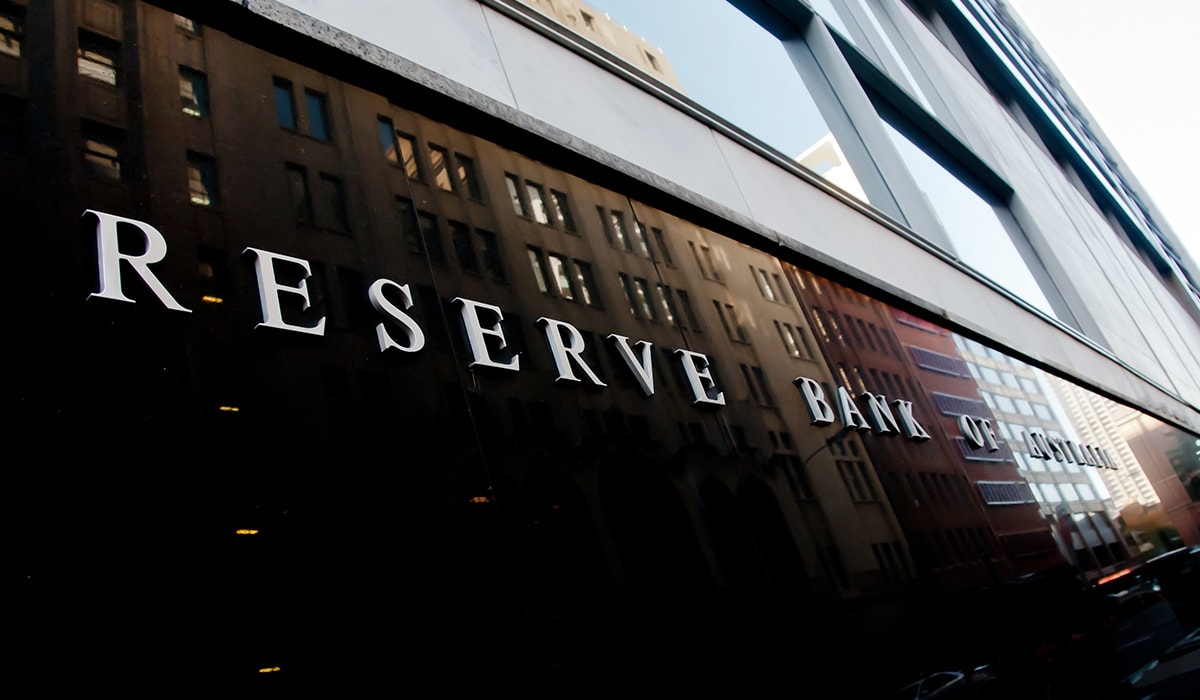
RBA decision sparks property market buzz
Sydney, Australia – The Reserve Bank of Australia (RBA) today announced its latest cash rate decision at its fourth meeting of the year, maintaining the official cash rate at 4.35 per cent. This widely anticipated hold comes amid persistent economic headwinds and has immediately sparked considerable discussion and speculation within the nation’s property market.
The central bank’s decision reflects a delicate balancing act, as policymakers grapple with the dual challenges of bringing inflation back within the target range of 2-3 per cent while avoiding an undue slowdown in economic activity. While the stability in interest rates offers a degree of certainty, analysts and industry experts are now keenly dissecting what this means for prospective homebuyers, existing mortgage holders, and the broader real estate sector.
Central Bank Holds Steady Amid Inflation Concerns
RBA Governor Michele Bullock, in her accompanying statement, reiterated the Board’s commitment to achieving its inflation target. The decision to hold the cash rate steady at 4.35 per cent for the third consecutive meeting signals a period of watchful waiting, as the RBA assesses the cumulative impact of previous rate hikes on the economy. Recent data has shown a mixed picture, with inflation easing but remaining stubbornly above the target band, while the labour market, though showing signs of softening, remains relatively tight.
Factors influencing the Board’s decision included ongoing services inflation, which continues to be a concern, alongside a slowdown in household consumption. The RBA acknowledged that the path of interest rates required to return inflation to target within a reasonable timeframe remains uncertain, and that future decisions would continue to be data-dependent. This cautious approach underscores the prevailing economic headwinds, including geopolitical tensions and persistent global supply chain issues, which continue to exert upward pressure on prices.
Property Market Reacts to Stability
The decision to hold the cash rate has been met with a varied reception across the property market. For many, the stability offers a much-needed reprieve, potentially injecting a renewed sense of confidence among buyers and sellers who have navigated a period of significant uncertainty. Mortgage holders, in particular, will welcome the pause, providing some stability to their repayment schedules after a series of rapid increases.
Real estate agents across major capital cities reported an immediate uptick in enquiries following the announcement. “A stable cash rate often translates to increased buyer confidence,” commented Eleanor Vance, a leading Sydney real estate agent. “People can now budget with more certainty, which might encourage those sitting on the sidelines to re-enter the market. We’re already seeing a slight increase in open home attendance and auction registrations.”
Analysts Weigh In: A Mixed Outlook
Despite the immediate positive sentiment, property market analysts remain cautious, suggesting a mixed outlook for the remainder of the year. Eliza Chen, chief economist at Capital Insights, noted, “While a hold is good news for sentiment, it’s important to remember that interest rates are still at elevated levels compared to pre-pandemic norms. Affordability remains a significant hurdle, particularly for first-home buyers, and sustained high rates will continue to constrain borrowing capacity.”
Chen further highlighted that while some segments of the market, particularly premium properties in desirable locations, might see modest growth, broader market conditions could remain subdued. Supply shortages, particularly in established urban areas, coupled with strong population growth, are expected to provide a floor for prices, preventing any significant downturn. However, the pace of growth is likely to be moderate rather than the boom conditions experienced in recent years.
Affordability Remains a Key Challenge
The RBA’s decision, while offering stability, does not resolve the underlying issue of housing affordability that plagues many Australian households. With interest rates remaining high, the cost of servicing a mortgage has significantly increased, placing considerable strain on household budgets. Data from financial institutions continues to show a rise in mortgage stress indicators, particularly among those who purchased properties at the peak of the market with lower fixed-rate loans now expiring.
Government initiatives aimed at boosting housing supply and supporting first-home buyers are seen as crucial complements to monetary policy. However, the impact of these measures is often long-term, meaning that in the immediate future, affordability will likely continue to dictate market dynamics and limit the extent of any property market revival.
Broader Economic Context
The RBA’s decision is not just about inflation and property; it is deeply intertwined with the broader economic landscape. The central bank is closely monitoring global economic developments, including the trajectory of inflation in major economies, central bank actions overseas, and commodity prices. Domestically, indicators such as unemployment rates, wage growth, and business investment will continue to inform future policy decisions.
The “economic headwinds” mentioned by the RBA encompass a range of factors, from the slowdown in China’s economy to ongoing conflicts that impact global trade and energy prices. These external pressures, combined with domestic challenges, mean that the RBA’s path forward remains contingent on how these variables evolve in the coming months.
In conclusion, the RBA’s decision to hold the cash rate steady at 4.35 per cent offers a moment of stability for Australia’s property market, potentially boosting buyer confidence and providing relief to mortgage holders. However, the underlying economic challenges, particularly persistent inflation and affordability constraints, mean that the market’s trajectory will likely be characterised by caution and moderation. All eyes will now turn to upcoming economic data releases and the RBA’s future meetings for further indications of the central bank’s stance and its implications for the nation’s housing sector.
Source: Read full article





Leave feedback about this